
If you’re looking for oral piercings in Staten Island or the NYC area, I offer precise piercings using high-quality jewelry selected for proper healing, comfort, and long-term results.
I’m Paul, a professional body piercer with over 26 years of experience. Whether you’re interested in something subtle or more unique, I focus on placement, jewelry selection, and overall balance to ensure your piercing looks and heals the way it should.
Looking for a Specific Lip or Oral Piercing?
Some piercings around the lips and mouth are covered in more detail on their own pages.
If you’re looking for information on specific placements, you can explore these guides:
This page focuses on additional and less common oral piercings, including ashley, dahlia, cheek, and upper vertical lip placements.
What Are Oral Piercings?
Oral piercings include a range of placements around the mouth and lips, each with its own anatomy considerations, jewelry requirements, and healing process.
Some of these piercings are more common, while others are more specialized and require careful planning and placement.
See My Oral Piercing Work
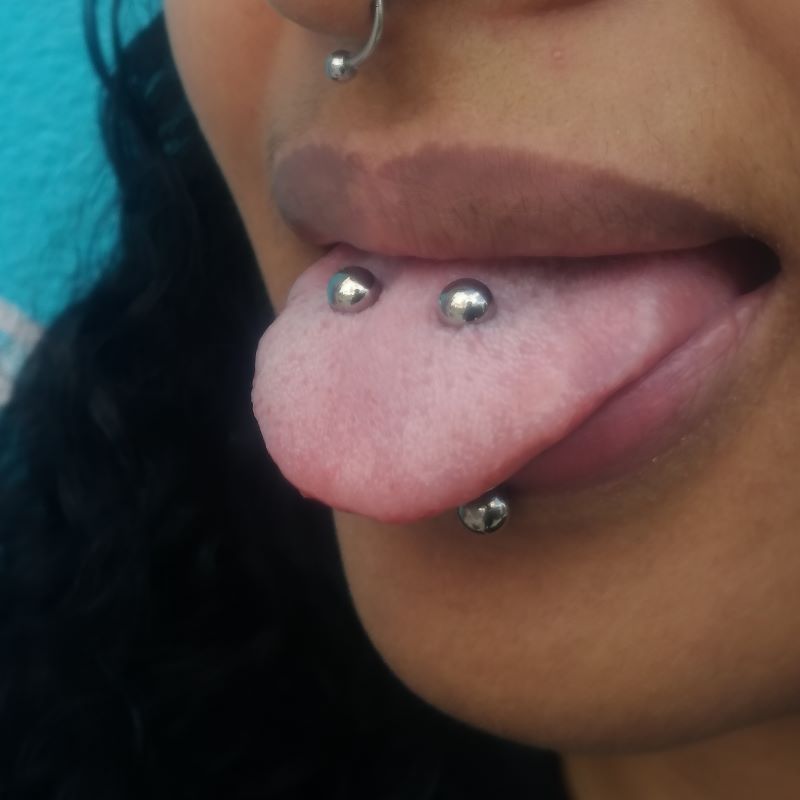
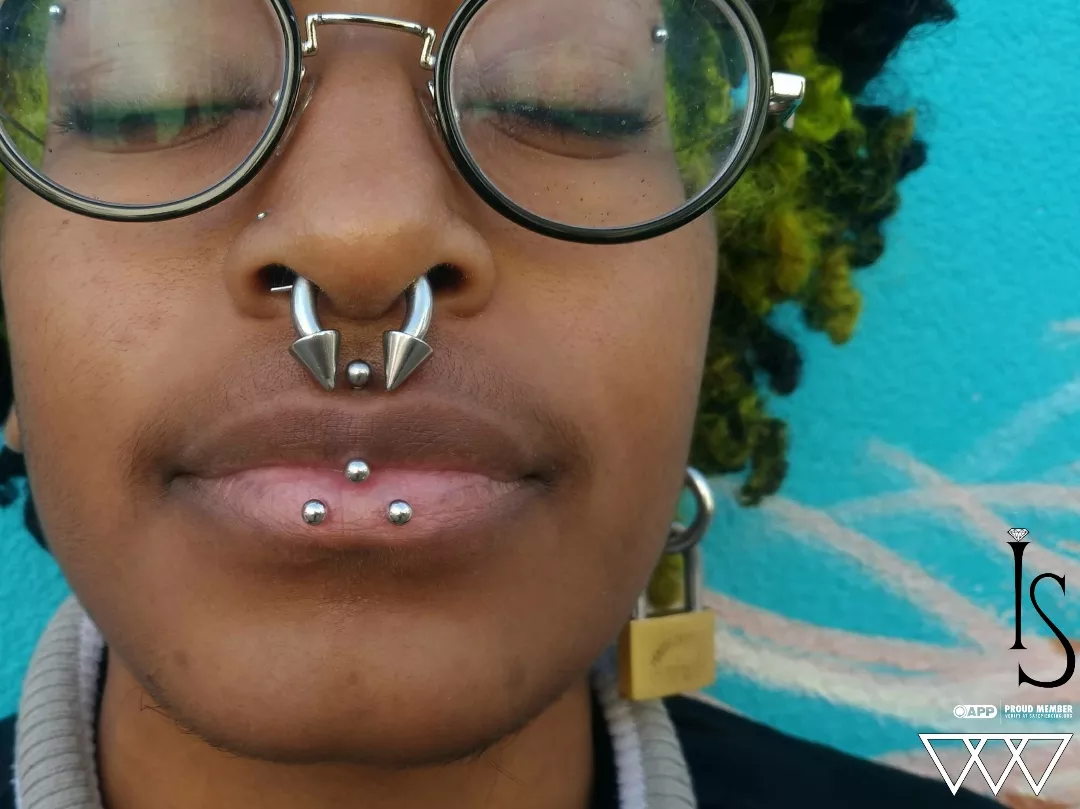
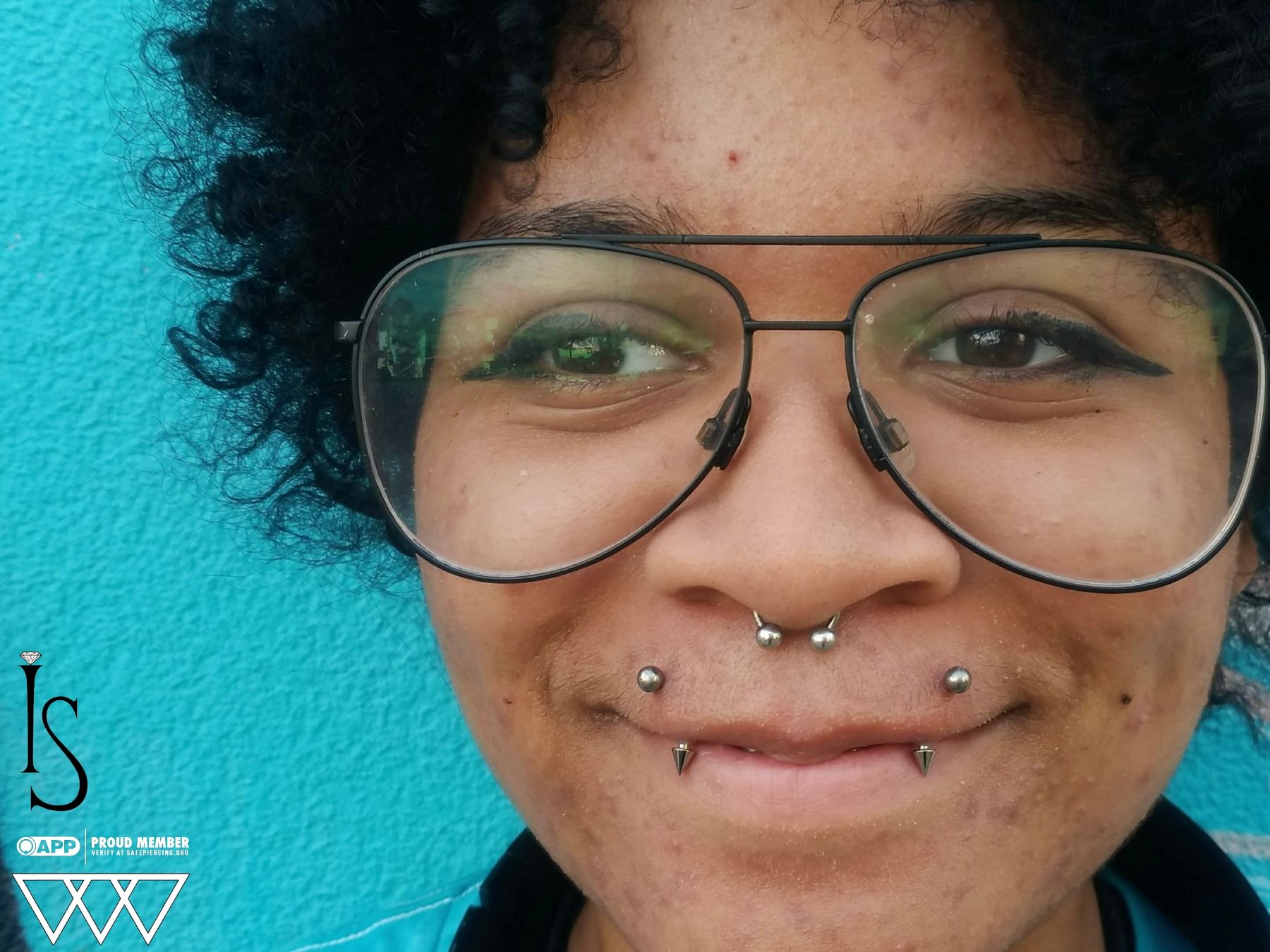
I’ve performed a variety of oral piercings, from simple placements to more unique and customized setups.
If you’d like to see more examples of my work, you can view my full portfolio here:
👉 Portfolio Page
Types of Oral Piercings I Offer
Ashley Piercing
The Ashley piercing is placed through the center of the lower lip, with a single visible end on the outside and the flat back sitting inside the mouth.
It offers a clean, minimal look, but requires precise placement and proper jewelry sizing for comfort and healing.
Dahlia Piercings
Dahlia piercings are placed at the corners of the mouth and are often done as a pair.
They create a unique look and require careful placement to ensure symmetry and proper healing. Because of their location, lifestyle and aftercare play an important role in the healing process.
Cheek Piercings
Cheek piercings are placed in the cheek area, often aligned to mimic natural dimples.
These are more advanced piercings that require careful placement, longer jewelry during initial healing, and a strong commitment to aftercare. Swelling can be significant early on, and proper monitoring is important throughout healing.
Upper Vertical Lip Piercings
Upper Vertical lip piercings pass vertically through the upper or lower lip, with both ends of the jewelry visible externally.
These piercings do not enter the mouth, making them different from traditional oral piercings. Placement and jewelry choice are important for both comfort and overall appearance.
Jewelry Options for Oral Piercings
Jewelry selection depends on the specific piercing, but all options are chosen with healing, comfort, and long-term wear in mind.
Common jewelry types include:
- Implant-grade titanium labret posts
- Curved barbells for vertical placements
- Internally threaded or threadless options
- Simple or decorative ends depending on style
- Solid gold options when appropriate
Proper sizing is especially important for oral piercings to accommodate swelling and reduce irritation during healing.
I follow safety standards supported by the Association of Professional Piercers to ensure proper placement, jewelry selection, and healing.
What to Expect During Your Appointment
Your appointment is handled in a clean, controlled environment. I’ll go over placement with you, assess your anatomy, and make sure everything is properly aligned before proceeding.
Some of these piercings require more detailed planning than others, so I take the time to ensure both function and aesthetics are considered.
The piercing process itself is quick, and I’ll guide you through each step so you feel comfortable throughout.
If you’d like a full breakdown of what to expect, you can read more here 👉 What to Expect During a Piercing Appointment
Pain Level & Healing Time
Pain levels and healing times vary depending on the specific piercing.
In general:
- Most oral piercings fall in the mild to moderate range for discomfort
- Healing can range from 8 to 16 weeks or longer, depending on placement
- Swelling is common in the early stages
Proper jewelry, downsizing, and aftercare all play a major role in how smoothly the piercing heals.
Aftercare Basics
Oral piercings require both external and, in some cases, internal care.
Basic aftercare includes:
- Cleaning with sterile saline solution
- Maintaining good oral hygiene when applicable
- Avoiding unnecessary movement or irritation
- Timely downsizing, when recommended
I’ll go over aftercare in detail during your appointment so you know exactly how to care for your piercing.
For a full aftercare guide, you can read more here:
👉 Aftercare 101: How to Help Your New Piercing Heal
Who Is a Good Candidate for Oral Piercings
These piercings can work well for many people, but anatomy and lifestyle are important factors.
You may be a good candidate if you:
- Are interested in more unique or less common piercings
- Are open to proper jewelry selection for healing
- Can commit to consistent aftercare
- Understand that some of these piercings require more attention during healing
I’ll help determine which options are best suited for you and your goals.
Book Your Oral Piercing Appointment
All appointments are scheduled in advance so I can give each client my full attention.
If you’re interested in any of these oral piercings or want help deciding what works best for you, you can text my team or book online.
📟 Text: 347-770-7653
🗓️ Book online: book.ipricku.com
Search
Quick Links
Blog Categories
Recent Blog Posts
- New Anatometal Jewelry Collection in Studio Now
- This Is My Only Job: A Full-Time Commitment to Professional Piercing
- What Happens When You Cancel Your Appointment?
- Understanding Professional Boundaries: Respecting Hours of Operation and Time Off
- Surface Piercings: The Right Way vs. The Wrong Way
Frequently Asked Questions
Most clients describe oral piercings as a quick pinch followed by pressure. The discomfort is brief and manageable.
Healing time varies depending on the placement, but many oral piercings take around 8 to 16 weeks.
Improper placement or jewelry can cause irritation, but proper placement and downsizing can help minimize risks.
Most oral piercings should be downsized once swelling goes down, usually within a few weeks.
